Babesiosis is a malaria-like infection of red blood cells caused by Babesia microti, a parasite transmitted by the same blacklegged tick that carries Lyme disease. The CDC reports about 2,000 to 3,000 cases per year in the United States, with the disease concentrated in the Northeast and upper Midwest. Severity varies enormously: many young, healthy people have mild or no symptoms, while older adults, people without a spleen, and the immunocompromised can develop life-threatening illness.
What babesiosis is
Babesiosis is one of the few tick-borne diseases caused by a parasite rather than a bacterium or virus. Babesia microti infects red blood cells in a way that resembles malaria, hence the comparison that doctors often use when explaining the disease. Other Babesia species (Babesia duncani, Babesia divergens) cause less common forms of the disease in different parts of the world.
Where babesiosis happens
The geographic range mirrors Lyme disease very closely. The Northeast (especially Massachusetts, Connecticut, Rhode Island, New York, and New Jersey) and the upper Midwest (Wisconsin, Minnesota) account for most US cases. The disease has been expanding into mid-Atlantic and northern New England states historically considered low-risk, including parts of Maine and New Hampshire that did not record local babesiosis cases until the past decade.
Other ways babesiosis can spread
Most US babesiosis cases come from a tick bite, but other transmission routes are documented. Transfusion-transmitted babesiosis has been recognized as a risk in endemic regions, leading the FDA to recommend screening of donated blood for Babesia in those regions. Blood centers in endemic regions screen routinely. Congenital transmission from an infected mother to her newborn has also been documented, though it is rare.
Who is at higher risk for severe babesiosis
Two patients can have the same blacklegged tick bite, the same dose of parasite, and dramatically different outcomes. The key risk factors for severe babesiosis are:
- Older age (especially over 50)
- Asplenia (people without a working spleen, whether congenital or after splenectomy)
- Immunocompromise (HIV, cancer treatment, organ transplant, chronic immunosuppressive medication)
- Significant chronic medical conditions
If you have any of these risk factors and live in or travel to a babesiosis-endemic region, talk with your physician about whether extra prevention precautions are appropriate, and seek medical attention promptly if you develop fever after a known tick bite. For the same risk groups, blood donation screening matters as well.
How to prevent babesiosis
Babesiosis prevention mirrors Lyme prevention because the vector is the same. The 5-step plan is:
- Repellent on skin. Picaridin 20 percent, DEET 20 to 30 percent, IR3535, or oil of lemon eucalyptus on all exposed skin.
- Permethrin on clothing and gear. A 0.5 percent treatment lasting roughly six washings. The single highest-leverage move in tick country.
- Tuck and seal. Long pants tucked into socks, light colors, cinched sleeves.
- Tick checks within two hours. Especially the scalp, neck, armpits, waist, groin, and behind the knees.
- Tick removal within hours, not days. Fine-tipped tweezers, straight up, no twisting. Save the tick in a sealed bag with the bite date.
For the deeper context on each step, see the how to prevent Lyme disease guide. The same stack applies.
Babesiosis symptoms after a tick bite
Babesiosis symptoms usually develop 1 to 9 weeks after a tick bite, which is a wider window than most tick-borne illnesses. Common features include fever, chills, sweats, headache, body aches, fatigue, and loss of appetite. Severe cases can involve hemolytic anemia (red blood cell destruction), thrombocytopenia (low platelets), kidney injury, and respiratory complications. Lab findings can include low platelets, evidence of red cell destruction, and elevated liver enzymes.
Mention all tick exposure history when seeing a physician for unexplained fever. In babesiosis-endemic regions, ask whether testing for tick-borne illness is appropriate for your situation.
Treatment
Mild to moderate babesiosis is typically treated with atovaquone plus azithromycin for 7 to 10 days. Severe cases may require clindamycin plus quinine and may need hospital care, including red blood cell exchange transfusion in critical illness. Asplenic patients and the immunocompromised may require longer treatment courses or specialized infectious-disease consultation. Treatment decisions belong with a clinician familiar with tick-borne disease.
Repellent picks for blacklegged tick country
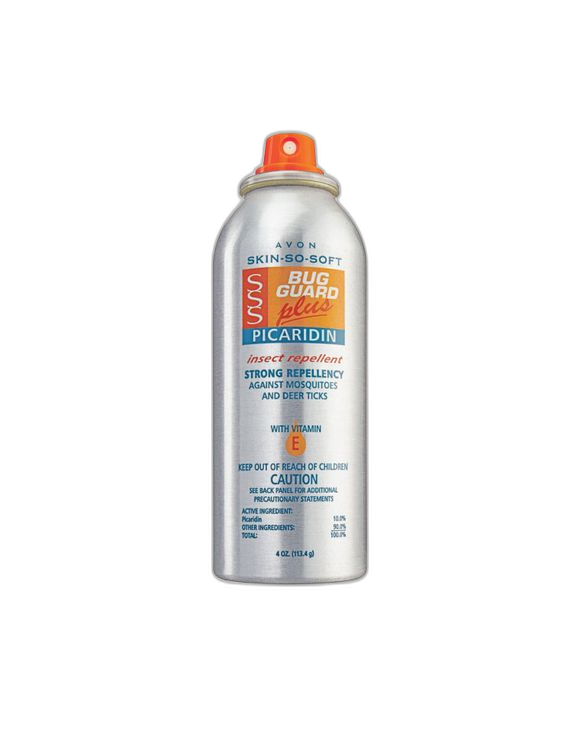
The same repellents that work for Lyme disease work for babesiosis. The Avon Skin So Soft Bug Guard Plus Picaridin Aerosol Spray is the everyday workhorse: 20 percent picaridin, fast-drying, light-feel. The 4 oz Pump Spray gives precise application and travels through TSA without trouble. The Picaridin Towelettes work well for re-application during long outdoor days.
More tick prevention and disease guides
Babesiosis is one of three illnesses transmitted by the blacklegged tick. The other two are Lyme disease (the most common) and anaplasmosis (also common in the same regions). Co-infection between any two or three of these is documented. For the broader US tick reference, see tick-borne illnesses in the United States.