Mosquitoes and ticks do not have to define your time outside. With the right protection stack, the bugs go from a daily fight to a background detail. The protection stack has four parts. Skipping any one of them leaves a gap. Used together, they cover almost every situation an outdoor family will run into in a typical North American summer.
This guide walks through each layer in plain language. You will find product picks where they help, and links to deeper guides on specific diseases at the end. Nothing here is medical advice. If you suspect a tick-borne or mosquito-borne illness, please call your doctor.
Four simple ways to prevent insect bites
The strongest prevention plans always start by building from these four layers, in this order:
- Pick the right repellent for your skin. An EPA-registered active ingredient on exposed skin is the cornerstone. Picaridin, DEET, IR3535, and oil of lemon eucalyptus all qualify.
- Treat the gear before you treat the skin. A 0.5 percent permethrin treatment on clothing, packs, and shoes adds a passive layer that keeps working for weeks.
- Make the environment less inviting. Drain standing water, trim brushy yard edges, and time outdoor work to avoid peak mosquito hours.
- Know what to do if you do get bitten. Mosquito bites need cleaning and itch relief. Tick bites need careful removal, documentation, and a watchful 30 days.
Choose the right insect repellent for your plans
Picaridin bug spray for everyday outdoor protection
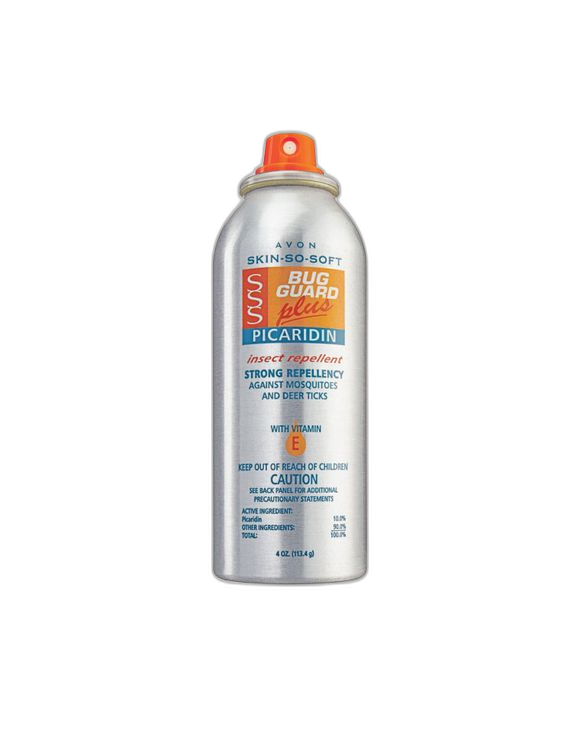
Picaridin is the all-purpose option most outdoor families end up reaching for. It is odorless, will not damage plastics or fabrics, and feels lighter on the skin than DEET. The 20 percent concentration found in the Avon Skin So Soft Bug Guard Picaridin lineup gives roughly 8 hours of protection against mosquitoes, ticks, gnats, and biting flies.
For everyday hikes, ball games, evening walks, gardening, and backyard time, a picaridin spray is the safe default. The aerosol covers fastest, the pump is precise enough to use on the face by spraying into your hands first, and the towelettes are perfect for keeping in a backpack or glove box.
DEET for heavy mosquito and tick activity
DEET has more than 65 years of safety data behind it. The CDC and EPA still consider 20 to 30 percent DEET formulations the gold standard for tick country and for areas with heavy mosquito-borne disease pressure. The trade-offs are familiar: a stronger smell, a slightly oily feel, and the well-known tendency to soften some plastics.
Many users alternate. Picaridin for everyday outdoor time, DEET when traveling to a known disease hotspot or working in heavy tick habitat.
IR3535 repellent for family-friendly sun and bug protection
IR3535 has been used in Europe for more than 30 years and is registered with the EPA. It is the active ingredient in the Avon Bug Guard Plus IR3535 Gentle Breeze SPF 30 Lotion, which is a popular pick for kids, faces, and anyone who would rather rub on a smooth lotion than spray. Because IR3535 pairs cleanly with sunscreen, the SPF combination products mean one bottle does the job of two.
Permethrin spray for clothing and outdoor gear
Permethrin is the gear treatment that matters most in tick country. Treated clothing, hiking pants, socks, hats, and packs become an active barrier that kills ticks on contact. A single 0.5 percent treatment lasts roughly six washings. Apply outdoors, let it dry fully, and never spray it on skin.
Wear clothing that helps prevent bug bites
Repellent on the skin is the front line. Clothing is the second. The right outfit closes the gaps where biting insects find your skin.
- Tuck, cinch, and seal. Pants tucked into socks, shirts tucked into waistbands, sleeves cinched at the wrist. This is the classic tick-country uniform for a reason.
- Light colors to spot ticks. A tick on khaki is much easier to find than a tick on dark olive. The same is true for mosquitoes that briefly land before biting.
- Pre-treat shoes and socks. Most blacklegged tick attachments happen on the lower leg first. A permethrin-treated boot and sock is the highest-leverage piece of gear in your closet.
Reduce mosquitoes and ticks around your yard
Mosquitoes do not need a pond. A clogged gutter, a forgotten kid pool, the saucer under a planter, the lid of a recycling bin filling with rainwater. Anywhere water sits for more than a few days is a Culex mosquito nursery, and Culex mosquitoes are the ones that carry West Nile virus across most of the United States.
Walk your yard once a week through mosquito season and dump every standing-water source you can find. Trim brushy yard edges where ticks wait to climb onto a passing animal or person. If you garden or do trail work in tick country, consider doing the heaviest brush-clearing tasks earlier in spring before nymph-stage ticks become active.
What to do after a mosquito bite or tick bite
How to treat a mosquito bite
Wash the area with soap and water. Apply a cold compress for a few minutes to reduce swelling. An over-the-counter 1 percent hydrocortisone product calms the itch and the inflammation. The Avon Skin So Soft Bug Guard Anti-Itch Spray is built for exactly this moment.
Watch for unusual reactions: spreading redness, fever, or any breathing or swelling symptoms beyond the immediate bite area. Anything systemic is a reason to call your doctor.
What to do after a tick bite
Use fine-tipped tweezers. Grasp the tick at the skin surface, where its mouth is attached. Pull straight up with steady pressure. Do not twist, crush, smother with petroleum jelly, or apply heat. Once the tick is off, clean the area with soap and water or rubbing alcohol.
Save the tick. A sealed plastic bag and a sticky note with the date and the body location is enough. If you develop fever, a rash, fatigue, or aches in the next 30 days, the saved tick can help your physician make a better diagnosis. If you are in a tick-borne disease region and you have a deer-tick attachment that may have been on for many hours, ask your doctor whether single-dose doxycycline post-exposure prophylaxis is appropriate. That is a clinical decision, never a self-administered one.
More mosquito and tick prevention guides
This guide is the front door to a deeper library. From here, dig into the disease side that matches your situation:
- Mosquito-borne illnesses in the US, with regional breakdowns for West Nile, EEE, dengue, and more.
- Tick-borne illnesses in the US, including a tick identification guide and links to per-disease prevention plans.