Anaplasmosis is one of the rising tick-borne illnesses in the United States. Caused by the bacterium Anaplasma phagocytophilum, it is transmitted by the same blacklegged tick that carries Lyme disease, which is why the prevention plan and the regions of risk overlap so closely. The CDC reports about 5,000 to 6,000 cases per year, with case counts climbing steadily over the past two decades.
What anaplasmosis is
Anaplasma phagocytophilum is a bacterium that infects white blood cells called granulocytes. The infection causes a flu-like illness with fever, headache, muscle aches, and chills, typically without a characteristic rash. Without treatment, severe cases can include respiratory failure, kidney failure, and bleeding problems. With early doxycycline treatment, most patients recover within a week or two.
How common anaplasmosis is
The CDC has tracked roughly 5,000 to 6,000 confirmed and probable anaplasmosis cases per year in recent years, concentrated in the Northeast and upper Midwest. The actual number is believed to be higher because mild cases may resolve without diagnosis. Reported incidence is highest in Vermont, Wisconsin, Minnesota, Maine, New Hampshire, New York, Massachusetts, and Connecticut.
Why anaplasmosis and Lyme disease share the same tick
The blacklegged tick can carry several pathogens simultaneously. Co-infection with Lyme disease and anaplasmosis (and sometimes babesiosis as well) is well documented. Patients with multiple co-infections can present with more severe or atypical clinical pictures than people infected with a single pathogen. Anyone in a Lyme-endemic region who develops fever after a known tick bite should mention all possible tick-borne illnesses to their physician, not just Lyme.
How to prevent anaplasmosis
Anaplasmosis prevention is essentially identical to Lyme disease prevention because the vector is the same blacklegged tick. The 5-step plan is:
- Repellent on skin. Picaridin (20 percent), DEET (20 to 30 percent), IR3535, or oil of lemon eucalyptus. EPA-registered products only.
- Permethrin on clothing and gear. A 0.5 percent treatment that lasts about six washings. The single highest-leverage move in tick country.
- Tuck and seal. Long pants tucked into socks, light colors, sleeves cinched at the wrist.
- Tick checks within two hours. Pay special attention to the scalp, behind the ears, neck, armpits, waist, groin, and behind the knees.
- Tick removal in minutes, not days. Fine-tipped tweezers, straight up, no twisting. Save the tick in a sealed bag with the bite date.
For the full prevention deep-dive with more context on each step, see the how to prevent Lyme disease guide. The same stack applies for anaplasmosis.
Anaplasmosis symptoms after a tick bite
Anaplasmosis symptoms usually begin 1 to 2 weeks after the bite of an infected tick:
- Fever, chills, sweating
- Severe headache
- Muscle aches
- Fatigue
- Nausea, abdominal pain, or diarrhea (less common)
- Cough (less common)
Unlike Lyme disease, anaplasmosis usually does not cause a rash. That can make it harder to recognize and easier to mistake for a routine viral illness, especially in flu season. Lab findings often include a drop in white blood cells (leukopenia), a drop in platelets (thrombocytopenia), and an elevation in liver enzymes. Mention any tick exposure in the recent past whenever you see your physician with fever of unclear cause.
Treatment
Doxycycline is the standard first-line treatment for anaplasmosis at all ages, including children. Treatment is typically a 7 to 14 day course. When started early, it is dramatically effective and most patients recover within a week or two. Delayed treatment increases the risk of complications. As with Rocky Mountain spotted fever, physicians often start empirical treatment based on clinical suspicion before laboratory confirmation, because waiting can be costly.
Repellent picks for blacklegged tick country
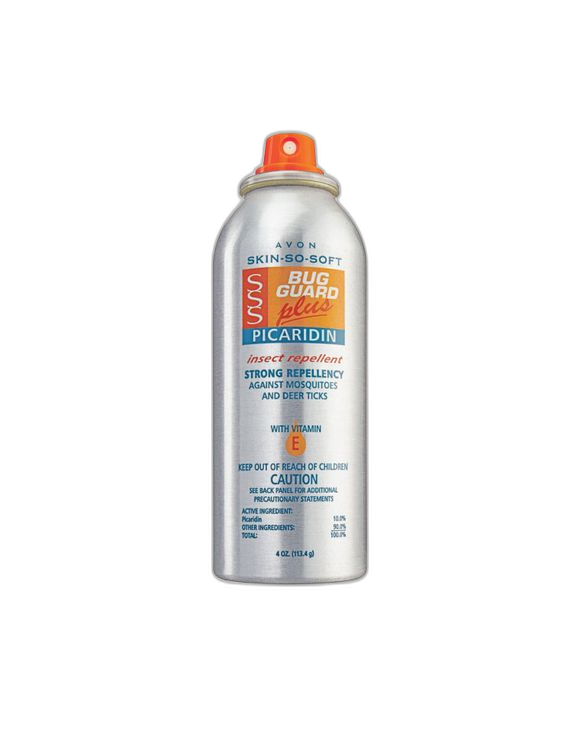
The same repellent picks that work for Lyme disease work for anaplasmosis prevention. The Avon Skin So Soft Bug Guard Plus Picaridin Aerosol Spray covers fast and dries quickly. The 4 oz Pump Spray adds travel-friendly precise application. The Picaridin Towelettes are perfect for re-applying mid-day on a hike or long outdoor outing.
More tick prevention and disease guides
The closely-related guides are how to prevent Lyme disease (same vector, often co-infection) and babesiosis prevention (also same vector, also frequent co-infection). For the broader tick reference, see tick-borne illnesses in the United States.